Telepsychology for Car Accident and Slip and Fall Injuries in Bloomington, Minnesota | MyPhoneTherapies
Personalized Telepsychology for Traumatic Injuries in Bloomington, Minnesota
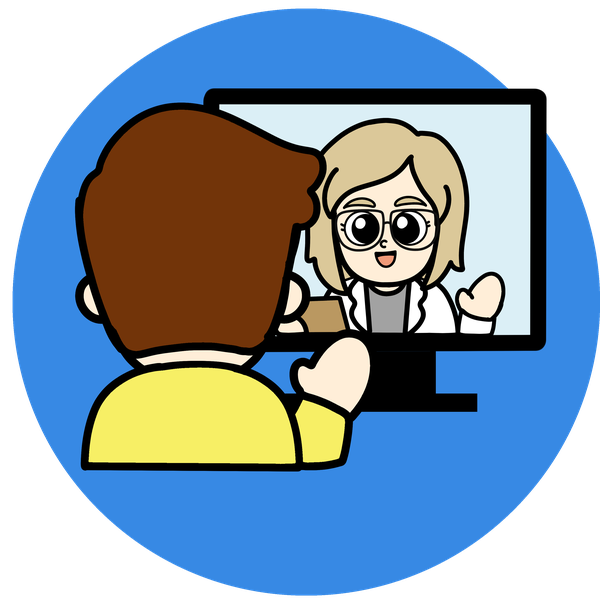
MyPhoneTherapies provides comprehensive telepsychology services to residents of Bloomington, Minnesota recovering from car accidents and slip-and-fall injuries. Telepsychology makes it easier for you to access our licensed psychologists, neuropsychologists, therapists, and counselors from your smartphone, tablet, or computer.
Our services include neuropsychological and psychological testing, TBI-focused counseling and therapy, cognitive rehabilitation, and EMDR — all delivered through secure, HIPAA-compliant telehealth technology.
How It Works
Register Now: Click "Register Now" and complete the new patient registration forms.
Schedule an Appointment: Schedule an appointment, usually you can see a psychologist within 24 hours after your insurance and/or attorney information has been verified.
Seeing the Psychologist Online
Your First Appointment: You will have the chance to share the details of your accident and discuss your mental, emotional, and physical symptoms with the psychologist. Let them know what you have been through, in a safe and understanding environment.
Begin Online Tests and Assessments: Start your online tests and assessments. If you can't complete them the same day, you can log in another day to finish.
Receive Your Plan: Your psychologist will score your tests and create a personalized treatment plan for you.
Start Counseling: Choose your therapist and begin counseling right away.
Neuropsychological and TBI Testing
Traumatic brain injury (TBI) can result from car accidents, slip-and-fall incidents, and other traumatic events. Even mild TBIs, such as concussions, can cause lasting cognitive, emotional, and behavioral difficulties. Our neuropsychological testing evaluates how your brain is functioning after injury and provides the clinical foundation for your personalized treatment plan.
What is Neuropsychological Testing?
Neuropsychological testing is a specialized assessment conducted by a neuropsychologist that measures how different areas of the brain are working. Unlike standard medical imaging, these tests evaluate the real-world impact of a brain injury on your thinking, behavior, and emotions. Research has shown that teleneuropsychology — administering these tests via secure video — is a valid and reliable method that produces results comparable to in-person testing.
What We Assess
Our neuropsychological evaluations measure how your brain is performing across key areas of thinking and functioning:
Attention, concentration, and processing speed
Learning and memory (verbal and visual)
Executive functions (planning, organization, problem-solving, decision-making)
Language abilities (word-finding, verbal fluency, comprehension)
Visual-spatial abilities (perception, construction, spatial reasoning)
Motor speed and coordination
Emotional functioning and personality assessment
How Online TBI Testing Works
Testing is conducted through a secure, HIPAA-compliant video platform. The neuropsychologist guides you through standardized tests using a combination of verbally administered assessments and specialized online testing software. You will need a computer or tablet with a camera, microphone, and stable internet connection. Most evaluations are completed across one or two sessions, and your neuropsychologist will provide a detailed report of findings, diagnosis, and treatment recommendations.
Types of Evaluations
Comprehensive neuropsychological evaluations for traumatic brain injury (TBI) and concussion
Psychological testing and personality assessments (PTSD, depression, anxiety)
Cognitive screening and baseline assessments
Performance validity and symptom validity testing
Follow-up evaluations to track recovery and treatment progress
Independent medical examinations (IMEs) and medical-legal evaluations
TBI-Focused Counseling and Therapy
Brain injuries frequently cause emotional and psychological difficulties that go beyond cognitive symptoms. Depression, anxiety, PTSD, irritability, mood swings, and personality changes are common after a TBI — and these symptoms can interfere with recovery if left untreated. Our licensed therapists and counselors specialize in treating the emotional and behavioral effects of brain injuries through one-on-one, face-to-face online video sessions.
Why TBI-Specific Counseling Matters
Standard counseling approaches often need to be adapted for individuals with brain injuries. Cognitive difficulties such as memory problems, slower processing speed, and trouble concentrating can make traditional therapy challenging. Our therapists are trained to modify their approach — using shorter sessions when needed, providing written summaries of key points, speaking in clear and direct language, and building in repetition to reinforce learning.
Conditions We Treat After TBI
Depression: One of the most common mental health challenges after TBI, including persistent sadness, loss of interest, fatigue, hopelessness, and difficulty concentrating. Research shows that a combination of counseling and medication management is often the most effective treatment.
Anxiety: Brain injuries can trigger or worsen anxiety disorders, including generalized anxiety, panic attacks, and obsessive-compulsive symptoms.
PTSD (Post-Traumatic Stress Disorder): The traumatic event that caused the brain injury often also causes PTSD. Evidence-based PTSD treatments like Cognitive Processing Therapy (CPT) and Prolonged Exposure (PE) are effective for individuals with TBI.
Anger and Irritability: Damage to the brain's frontal lobe can reduce impulse control and emotional regulation, leading to frustration and outbursts.
Adjustment and Grief: Many TBI survivors struggle with the loss of their previous abilities, identity, and lifestyle. Counseling helps individuals process these changes and build new coping strategies.
Therapy Approaches Used
Cognitive Behavioral Therapy (CBT) — the most widely researched and effective approach for TBI-related depression, anxiety, and emotional regulation
Behavioral Activation (BA) — helps patients re-engage in meaningful and enjoyable activities to improve mood
Eye Movement Desensitization and Reprocessing (EMDR) — effective for processing trauma and PTSD related to the accident
Cognitive Processing Therapy (CPT) — specifically designed for PTSD, effective even with TBI
Dialectical Behavior Therapy (DBT) — teaches emotional regulation, distress tolerance, and interpersonal skills
Mindfulness-Based Stress Reduction (MBSR)
Trauma-Focused Cognitive Behavioral Therapy (TF-CBT)
Accelerated Resolution Therapy (A.R.T.)
Psychoeducation — helping patients and families understand TBI and set realistic expectations for recovery
Relaxation Techniques — breathing exercises, progressive muscle relaxation, and guided imagery
How Online TBI Counseling Works
All counseling sessions are conducted face-to-face with your therapist through a secure, HIPAA-compliant video platform. You meet with your therapist in real time from your home using a smartphone, tablet, or computer with a camera and internet connection. Sessions are private, confidential, and delivered one-on-one. Your therapist can see and hear you, observe your emotional responses, and provide the same level of personal care as an in-office visit — with the added convenience of no travel.
Cognitive Rehabilitation
Cognitive rehabilitation is a structured therapeutic program designed to improve cognitive functions — such as memory, attention, concentration, problem-solving, and executive functioning — that have been impaired by a traumatic brain injury. At MyPhoneTherapies, cognitive rehabilitation is delivered through two combined methods: specialized software-based exercises and live, face-to-face sessions with a therapist online.
Software-Based Cognitive Rehabilitation
Patients are given access to clinically validated cognitive rehabilitation software that provides structured exercises targeting specific areas of impairment. These programs are designed by neuropsychologists and rehabilitation specialists and are used in hospitals, rehab centers, and home-based telehealth programs worldwide.
Targeted Exercises: Programs include thousands of exercises targeting attention, memory, processing speed, visual-spatial skills, language, and executive functioning. Exercises automatically adjust in difficulty based on your performance.
Independent Practice: You can complete exercises on your own schedule from your computer or tablet at home. Consistent daily practice is essential for building new neural connections and recovering cognitive function.
Therapist Monitoring: Your therapist tracks your progress remotely through the software's reporting system — seeing which exercises you completed, how you performed, and where you need additional support.
Progress Tracking: The software generates detailed progress reports showing improvement over time. These reports can be shared with your treatment team, attorney, or insurance provider to document your recovery.
Face-to-Face Online Cognitive Rehabilitation with a Therapist
In addition to independent software-based exercises, patients work directly with a cognitive rehabilitation therapist through live video sessions. During these sessions, your therapist will:
Review your software exercise results and adjust your rehabilitation plan based on your progress
Teach compensatory strategies — practical techniques for managing memory difficulties, staying organized, and improving attention in daily life
Work on real-world problem-solving tasks, planning activities, and goal-setting exercises
Address emotional and motivational barriers that may be interfering with your rehabilitation
Provide psychoeducation to help you and your family understand your cognitive strengths and challenges
Cognitive Areas Targeted in Rehabilitation
Attention and Concentration: Exercises to improve sustained attention, divided attention, and filtering distractions
Memory: Strategies and exercises for short-term and long-term memory, learning new information, and recall
Processing Speed: Activities designed to improve how quickly you can take in and respond to information
Executive Functioning: Training in planning, organizing, prioritizing, time management, and decision-making
Language and Communication: Exercises for word-finding, verbal fluency, reading comprehension, and conversational skills
Visual-Spatial Skills: Tasks to improve spatial reasoning, visual perception, and navigation
Why Combined Cognitive Rehabilitation Works
The brain can form new neural connections through consistent, targeted practice — a process called neuroplasticity. The combination of daily software exercises and regular therapist-guided sessions creates the repetition and structured support needed to maximize recovery. Research shows that computer-assisted cognitive rehabilitation, when supervised by a trained therapist, leads to measurable improvements in attention, memory, and executive functioning after brain injury.
Telepsychology Services Available in Bloomington, Minnesota
These services are available for you in Bloomington, Minnesota.
Because all services are delivered online through secure telehealth, you can access our psychologists, neuropsychologists, therapists, and cognitive rehabilitation specialists in Bloomington, Minnesota. No travel is required.
Getting Started is Fast and Easy!
Click Register Now, complete the registration, and once your insurance coverage and/or attorney representation has been verified, you will be sent a link to the secure online portal. The online portal allows you access to scheduling, updating any information, and virtual waiting room access to begin your online video visits.

For any questions or assistance, call us at 888-688-6880. If you need help completing the forms, or would rather have us enter your information over the telephone, please call us at 888-688-6880. We are available Monday through Friday during normal business hours.